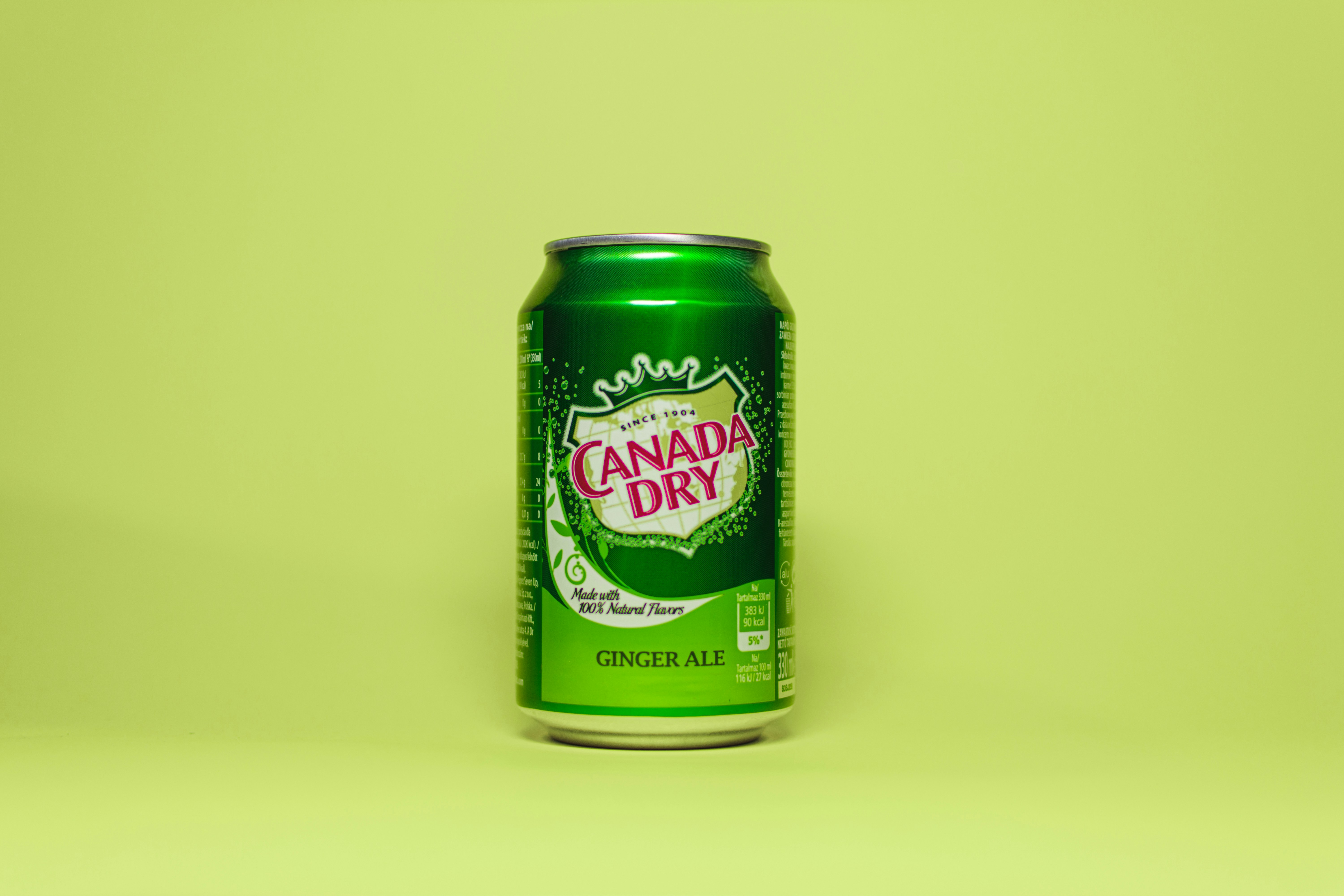
Is “Canada Dry” Really Canadian? Class-Action Alleges Misleading Branding
You might grab a cold Canada Dry expecting authentic maple-leaf heritage—but according to a new lawsuit, that fizz could be more Lone Star than True North. If you bought Canada Dry in New York since 2022, you may have paid a premium for a soda that isn’t what its branding suggests.
Quick Action: Stay informed about your potential refund rights—read on for the facts and next steps.
What the Lawsuit Says
Filed by plaintiff Piotroski, the proposed class action targets Dr Pepper—the owner of the Canada Dry brand. The complaint argues that:
- The name “Canada Dry,” use of maple-leaf imagery, and label language give shoppers the impression that the beverage is produced in Canada.
- In reality, the soda is manufactured in the United States.
- Because of this perceived Canadian origin, consumers allegedly pay higher prices, believing they are buying an “authentic” product.
The lawsuit invokes New York consumer-protection statutes, claiming the marketing is deceptive and entitles purchasers to monetary relief.
Who Could Be Affected?
The proposed class includes all individuals in New York who bought Canada Dry beverages from 2022 onward. If the court certifies the class and finds in their favor, eligible buyers could receive refunds for purchases made during that period.
Why Branding Matters in Consumer Law
Consumer-protection laws prohibit companies from using branding or labeling that misleads reasonable shoppers about a product’s nature, origin, or quality. Even subtle cues—like national symbols or implied geographic claims—can amount to deception if they influence purchasing decisions.
Dr Pepper has faced similar allegations before, including litigation over the “all natural” representation on Snapple drinks. The Canada Dry suit continues the scrutiny of how beverage companies use marketing to shape consumer perceptions.
Your Next Steps
If you purchased Canada Dry in New York at any time since 2022, you may have legal rights:
- Save your receipts or proof of purchase if possible.
- Monitor updates on the case to see if the class is certified.
- Consider speaking with a consumer-protection attorney about your individual situation.
Class actions move quickly once certified—having documentation ready can simplify any claims process.
Key Takeaway
Branding can be powerful, but it cannot cross the line into deception. The Canada Dry lawsuit highlights how imagery and product names can influence buying decisions—and why truth in labeling remains central to consumer rights.